


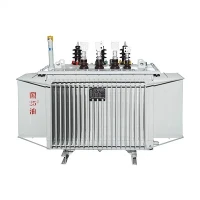
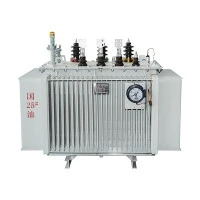
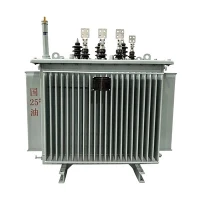
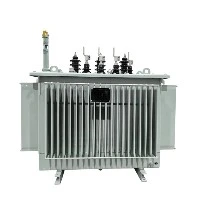
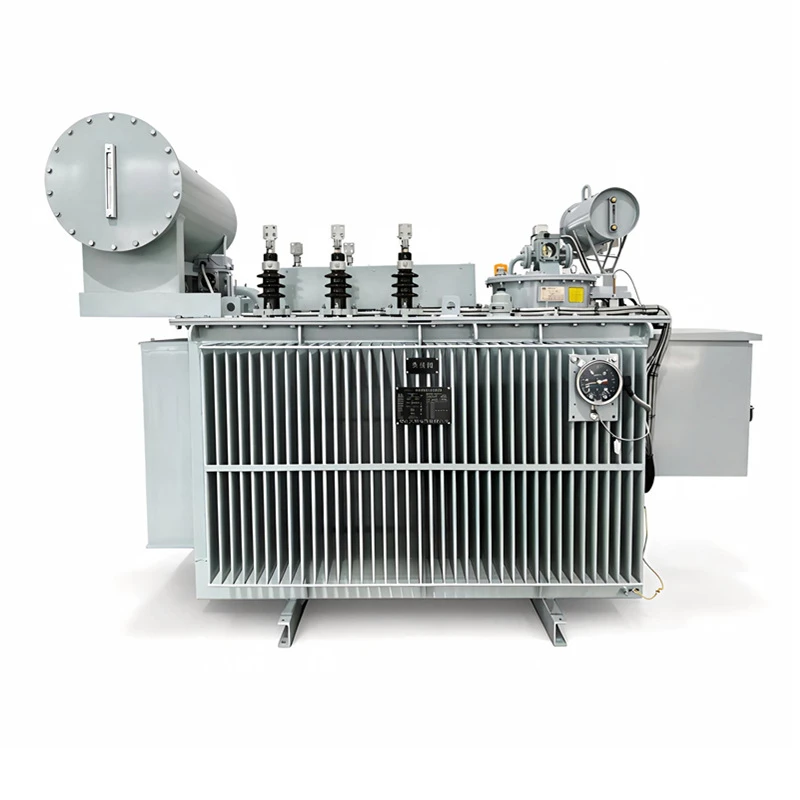

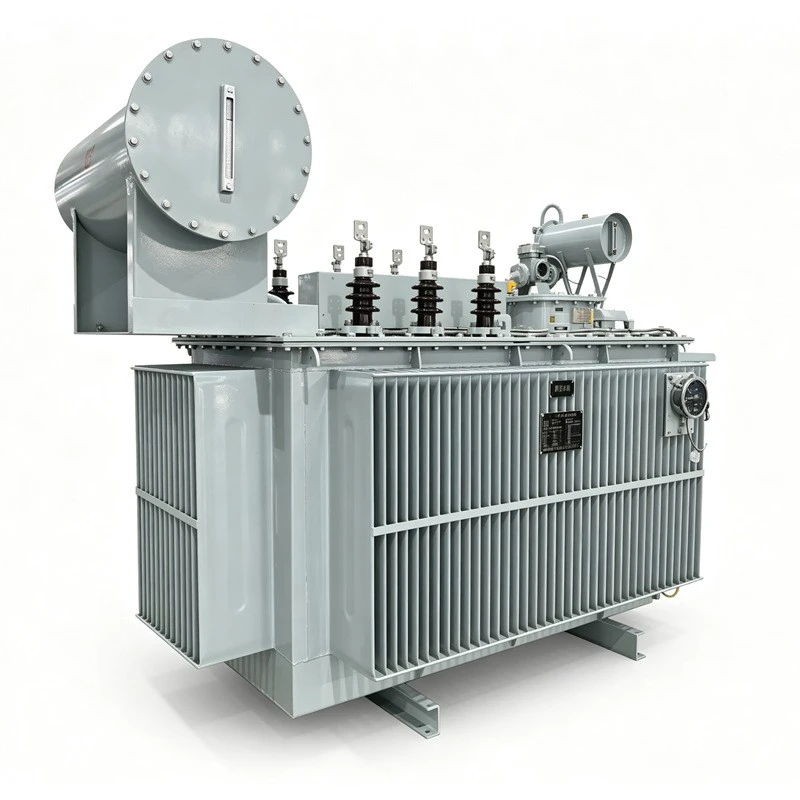
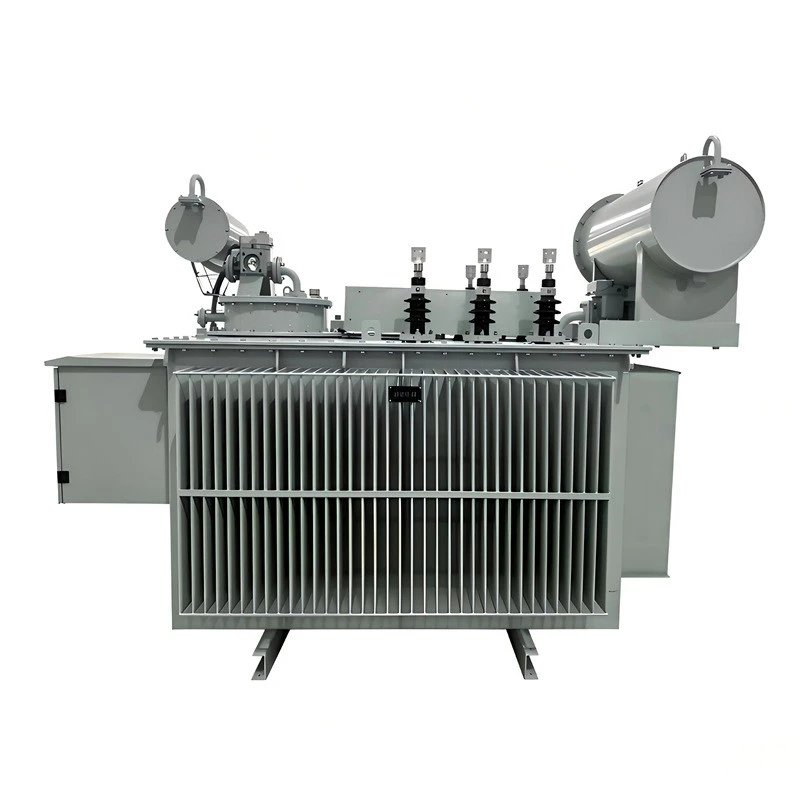
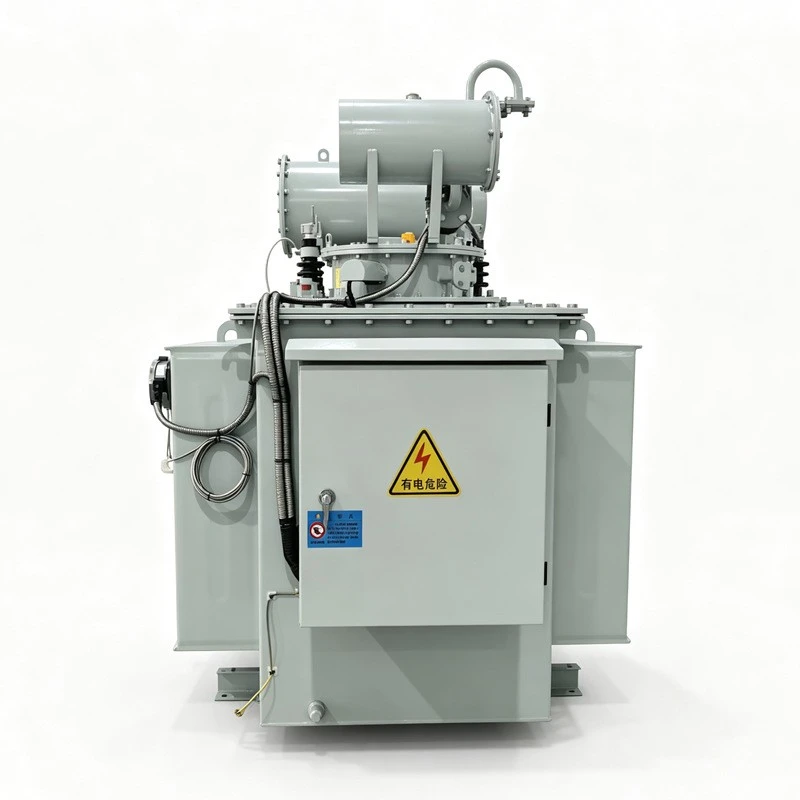
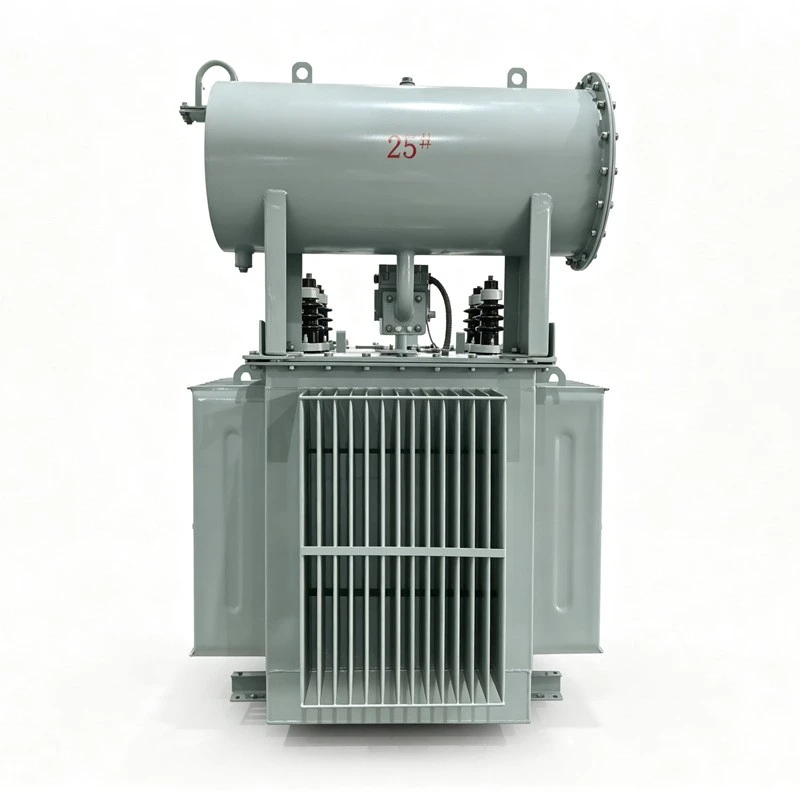
Bidirectional Automatic Coupling Voltage Regulator
Rated Power: 8000kVA (Customized)
Phase: 3 phase
Rated-voltage: 10/10KV (Customized)
Vector Group: Ya0 (Customized)
Regulation mode: OLTC
Notes: BSVR series is a three-phase 8000kVA dual 10kV transformer with Ya0 vector group and OLTC on-load voltage regulation function. It supports uninterrupted on-load tap adjustment to stabilize grid voltage for 10kV power distribution systems.
This product supports customized design. Voltage grade, capacity, tap range, cooling method and other technical parameters can be adjusted according to customer’s actual site and project requirements.
Zhejiang Tianrun Electric Co., Ltd. is one of the leading manufacturers and suppliers of bidirectional automatic coupling voltage regulator in China. We are committed to providing high quality customized products with competitive price. We warmly welcome you to buy bulk advanced bidirectional automatic coupling voltage regulator from our factory. Also, quotation is available.
Product Overview
The BSVR series dual voltage transformer is a series‑connected oil‑immersed autotransformer for 6/10/35kV feeders with customizable capacity. Complying with IEC standards, it adopts silicon‑steel core, oxygen‑copper windings, sealed corrugated tank and ONAN cooling, equipped with OLTC for buck‑boost voltage compensation. It handles bidirectional power flow and suppresses distributed‑generation overvoltage; only applicable for radial feeders, not closed‑loop networks. Main specs: ±10%/±15%/±20% regulation range, 7/9 taps, Ya0 vector group, 25#/45# mineral oil.
Its intelligent controller monitors voltage and power flow with automatic logic switching, providing multi‑level protection and RS485/GPRS remote communication. It is deployed on renewable‑integrated radial feeders and substation outgoing circuits. Avoid frequent tap‑change under full‑load; it only compensates fundamental‑frequency voltage and cannot filter harmonics.

What is the BSVR?
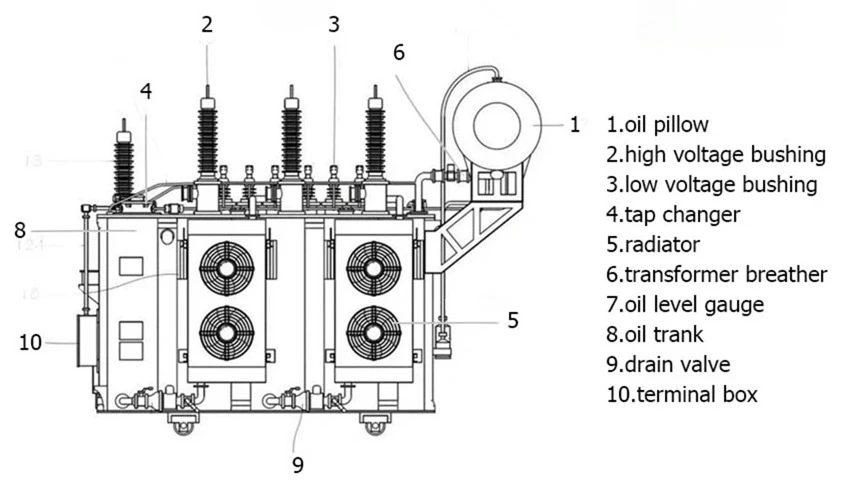
The BSVR series is a derivative of the SVR (Feeder Automatic Voltage Regulator), featuring an oil-immersed self-cooled (ONAN) structure. It is series-installed in 6kV, 10kV, and 35kV distribution feeders. The device continuously detects power-flow direction, tracks output voltage, and automatically adjusts the on-load tap-changer position to regulate the transformation ratio, thereby stabilizing the output voltage.
Unlike conventional unidirectional regulators, the BSVR handles both forward (substation-to-load) and reverse (distributed-generation-to-grid) power flows, making it suitable for multi-source feeders with integrated wind, solar, or small-hydro generation.
BSVR Structure
The BSVR comprises three core components:
Auto-transformer body
Core-type iron core, oxygen-free copper windings in multi-layer cylindrical configuration; fully sealed corrugated tank with oil-temperature indicator and pressure-relief valve; built-in three-phase four-wire sampling supply.
Three-phase on-load tap-changer
Tap transition under load for smooth voltage regulation; equipped with motorized mechanism and manual emergency handle.
Intelligent controller
Industrial-grade MCU, real-time voltage/flow sampling, forward/reverse control logic; parameter setting, status display, protection lockout, and remote communication.
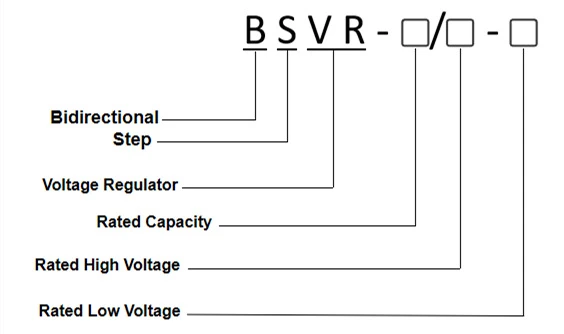
Meaning of product model
Basic Parameters
|
Parameter |
Value |
|
Rated voltage |
6kV / 6.6kV, 10kV / 11kV, 35kV / 38.5kV |
|
Rated capacity |
6kV class: ≤4,000 KVA; 10kV class: ≤12,500 KVA; 35kV class: ≤24,000 KVA |
|
Phase |
Three-phase |
|
Rated frequency |
50 Hz |
|
Voltage regulation range |
±10%, ±15%, ±20% (or customized -30%~+10%) |
|
Tap positions |
7 or 9 positions |
|
Connection group |
Ya0 |
|
Cooling method |
Oil-immersed natural cooling |
|
Transformer oil grade |
25#, 45# |
|
Regulation mode |
On-load tap changing |
On-Load Tap-Changer Parameters
|
Parameter |
Value |
|
Contact resistance |
< 500 μΩ |
|
Motorized transition time |
≤ 10 s |
|
Transition-resistor switching time |
15 ~ 24 ms |
|
Electrical endurance |
> 50,000 operations |
|
Mechanical endurance |
> 500,000 operations |
|
Transition method |
Single or double resistor |
Operating Environmental Condition
|
Condition |
Requirement |
|
Altitude |
≤ 3,000 m |
|
Ambient temperature |
-25℃ ~ +45℃ |
|
Relative humidity |
< 90% |
|
Pollution class |
Class III |
|
Mounting inclination |
< 2% |
|
Installation |
Outdoor, free from severe pollution, corrosive media, fire/explosion hazards, and strong vibration |
Special declaration required at ordering if conditions exceed the above.
Applications
- Radial distribution feeders: Series-installed at the mid-to-rear section to compensate line voltage drop and improve terminal voltage quality.
- Renewable-integrated feeders: Multi-source feeders with wind, solar, or small-hydro generation; suppresses over-voltage from reverse power flow.
- Substation outgoing feeders: Installed at the outgoing side when the main transformer lacks tap-changing capability, stabilizing busbar voltage.
- Industry sectors: Urban/rural grids, oilfields, coal mining, chemicals, metallurgy, and railway tunnel voltage boosting for long-distance, heavy-load distribution.
BSVR vs. SVR - Comparison Table
|
Item |
BSVR (Bypass Step Voltage Regulator) |
SVR (Step Voltage Regulator) |
|
Full Name |
Bypass Step Voltage Regulator |
Step Voltage Regulator |
|
Core Feature |
Regulator body and bypass switch integrally enclosed in the same tank |
Standalone regulator body; bypass disconnector is an external optional accessory |
|
Bypass Structure |
Built-in three-position bypass switch (Run/Bypass/Ground) with mechanical interlock |
External bypass disconnector, separately installed and operated |
|
Installation |
One-piece pole/pad mounting, fewer connections, smaller footprint |
Split installation of body and disconnector, requiring extra support and wiring |
|
Operational Safety |
Mechanical interlock between bypass and ground positions prevents accidental grounding of live line |
Disconnector operation relies on procedural compliance, no forced interlock |
|
Maintenance Outage |
Rotate switch to bypass position to isolate body without outage; groundable for safe maintenance |
Requires closing external bypass, then opening both side disconnectors - more steps |
|
Protection |
Some models integrate over-current, instantaneous and under-voltage protection |
Primarily voltage regulation; protection relies on upstream breaker or external devices |
|
Typical Rating |
Class 6kV ≤4,000 kVA; Class 10kV ≤12,500 kVA; Class 35kV ≤24,000 kVA |
500–24,000 kVA |
|
Regulation Range |
±10%, ±15%, ±20% (Customized - 30%~+10%) |
±10%, ±15%, ±20% (Customized 0~+20% etc.) |
|
Tap Positions |
7 / 9 |
7 / 9 |
|
Cooling |
ONAN |
ONAN |
|
Communication |
RS485 + GPRS/4G, supports telemetry/telesignal/telecontrol |
RS485, GPRS/4G (Opention) |
|
Typical Application |
Feeders requiring high supply continuity, minimal O&M staff, simplified installation and operation |
General feeder voltage regulation where bypass and protection are already provided at the substation/switchyard |
|
Cost |
Higher (integrated design) |
Lower (body-only pricing) |
|
O&M Complexity |
Low - integrated design, fewer inspection points, standardized operation |
Medium - requires maintaining both body and external disconnector |
The Working Principle of BSVR
The BSVR is an oil-immersed auto-regulating transformer series-connected in 6/10/35kV feeders. It uses an on-load tap-changer (OLTC) to vary the induced EMF of the series winding, providing buck/boost voltage compensation.
Core Workflow
- Signal acquisition: The intelligent controller continuously samples output voltage and power-flow direction (forward/reverse).
- Forward flow (substation → load): Automatically boosts to compensate line drop when output voltage is low, or bucks when high, maintaining stable terminal voltage.
- Reverse flow (renewable → grid): Auto-switches to reverse control strategy, suppressing line over-voltage caused by reverse power feed from PV, wind, etc.
- On-load switching: The OLTC switches taps under load via transition-resistor bridging without supply interruption.
- Protection & lockout: Dead band, operation delay, count limiting, upper/lower tap protection, over-voltage fast-drop, and under-voltage lockout ensure safe and reliable operation.
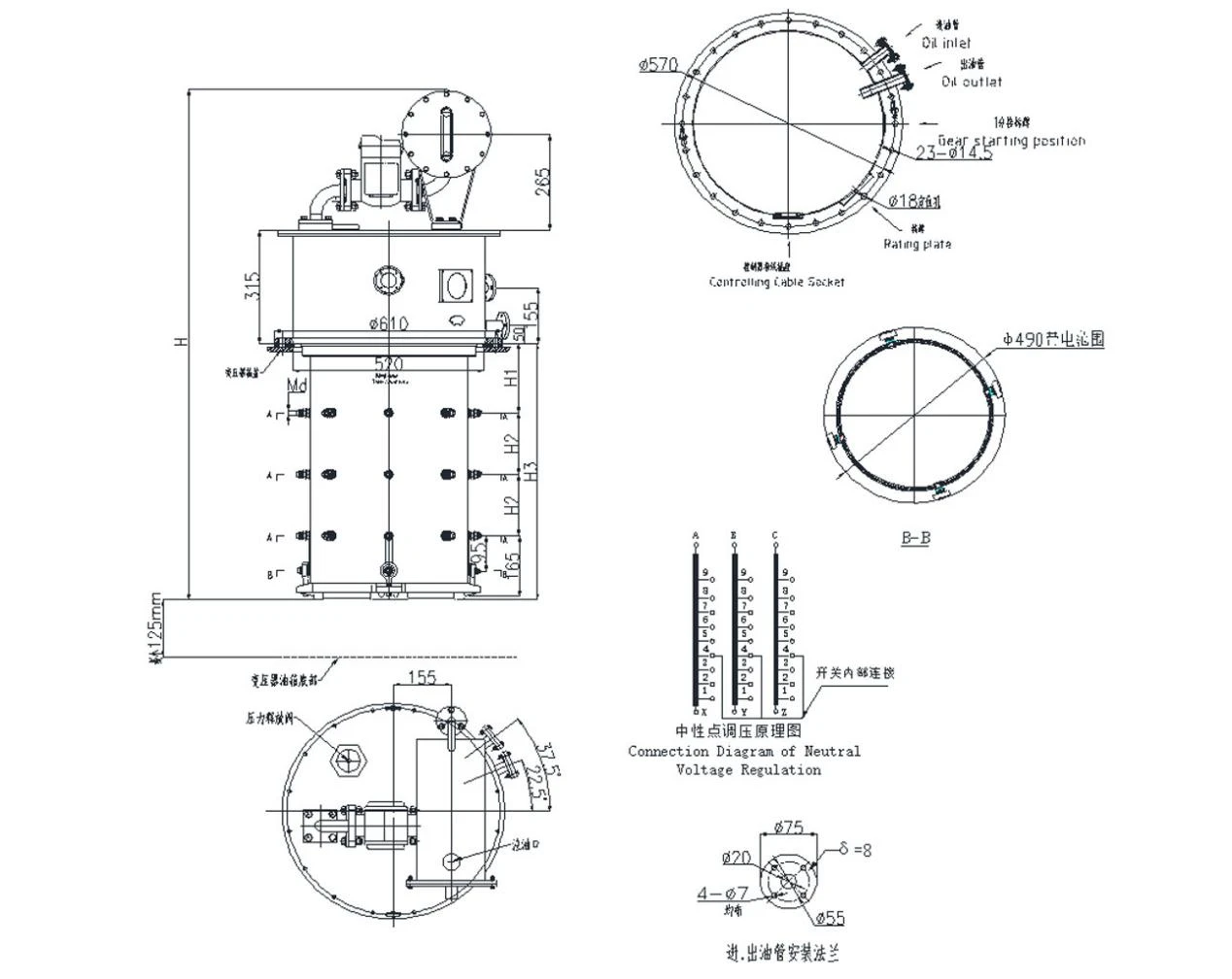
Proccess of Transformer
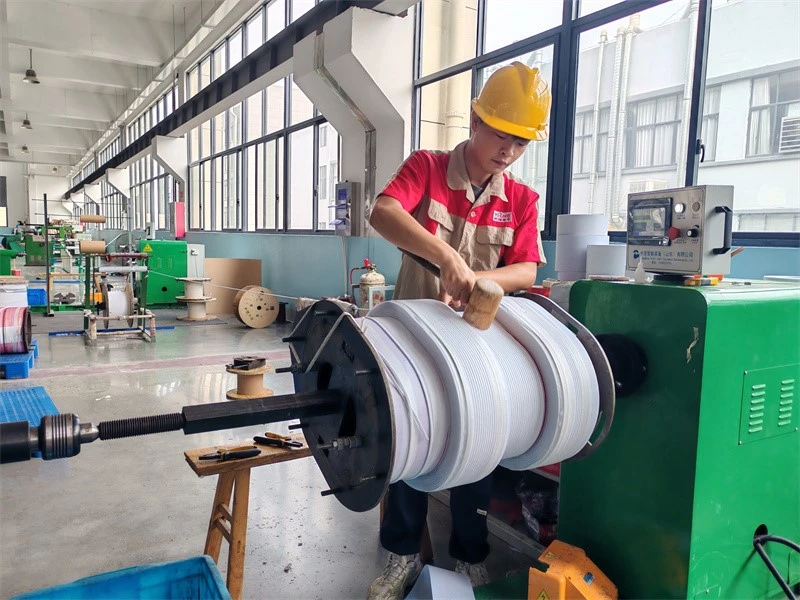
1-Wire‑wound winding of transfomer
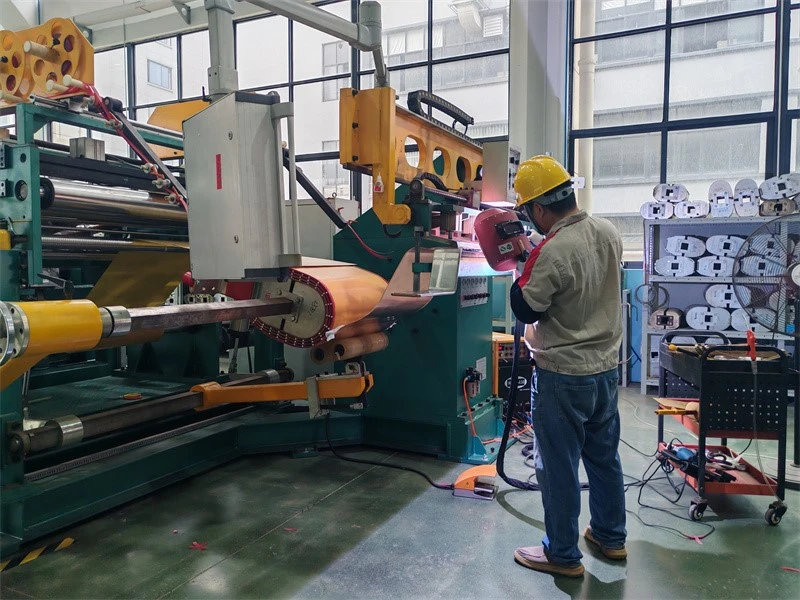
2-Foil‑wound winding of transfomer
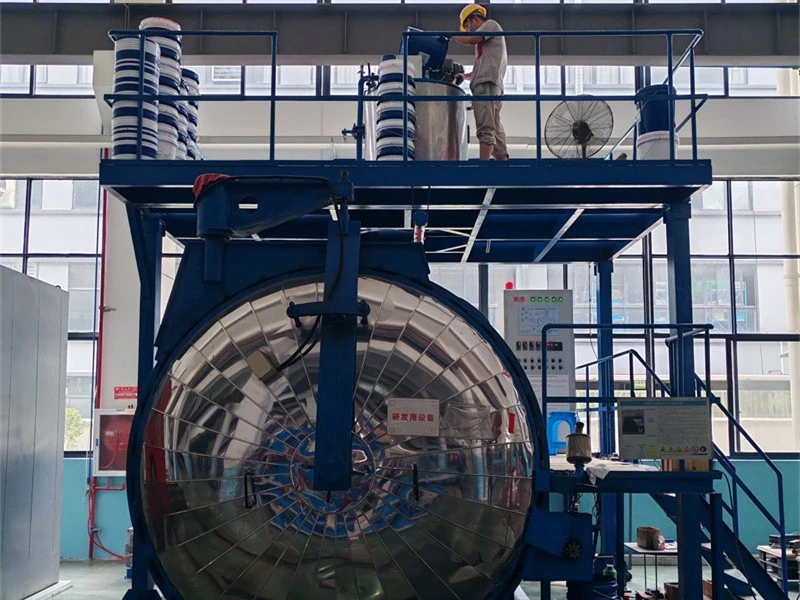
3-Vacuum casting of transformer
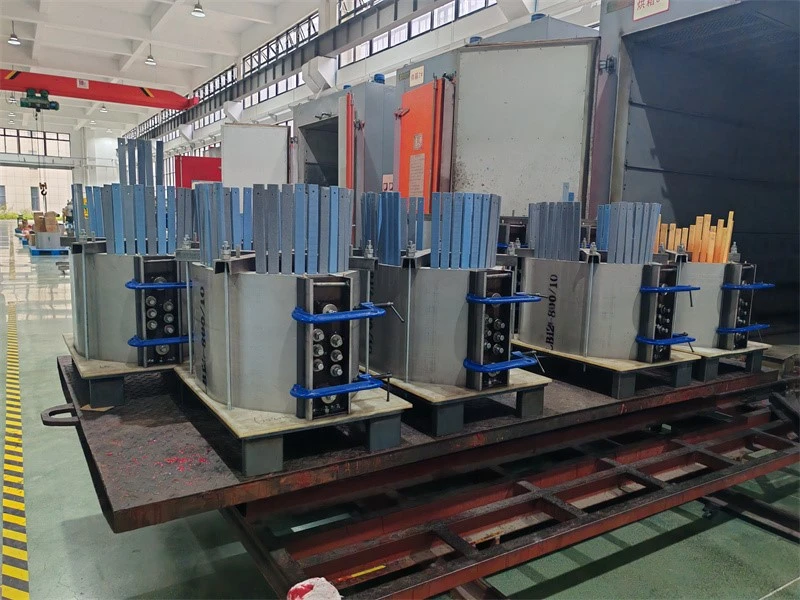
4-Epoxy resin casting of transfomer
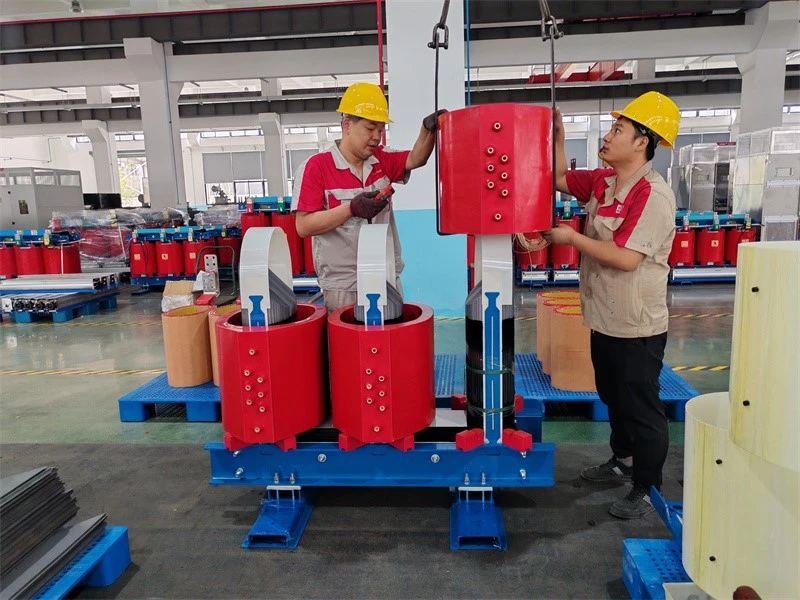
5-Coil assembling over core
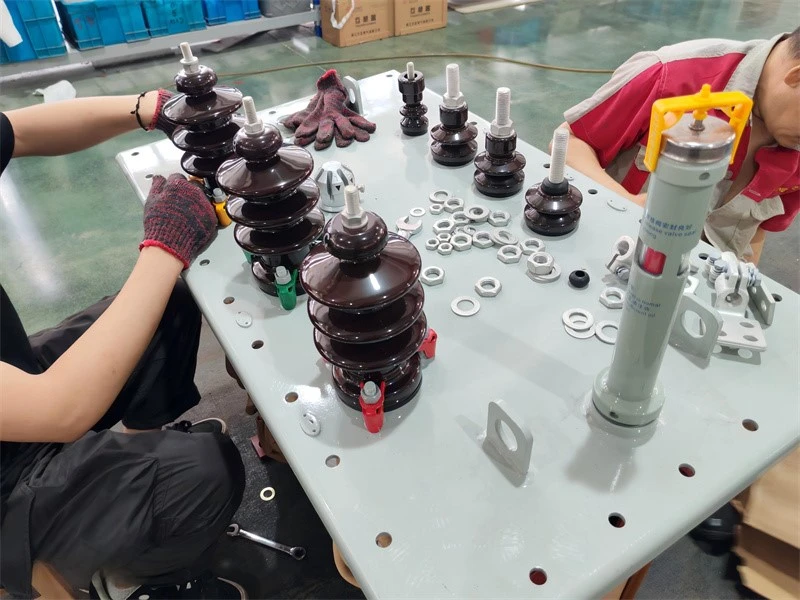
6-HV porcelain bushings of oil immersed transformer
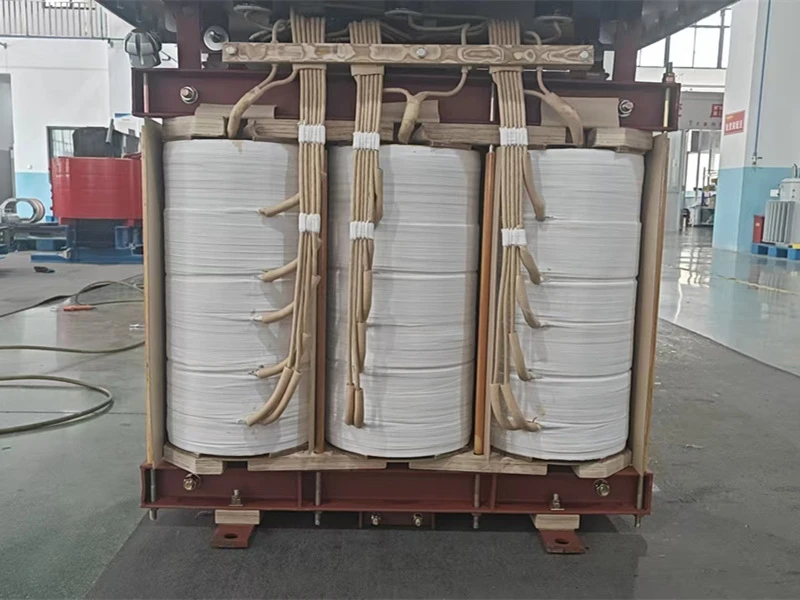
7-Lead insulation taping and welding of transfomer
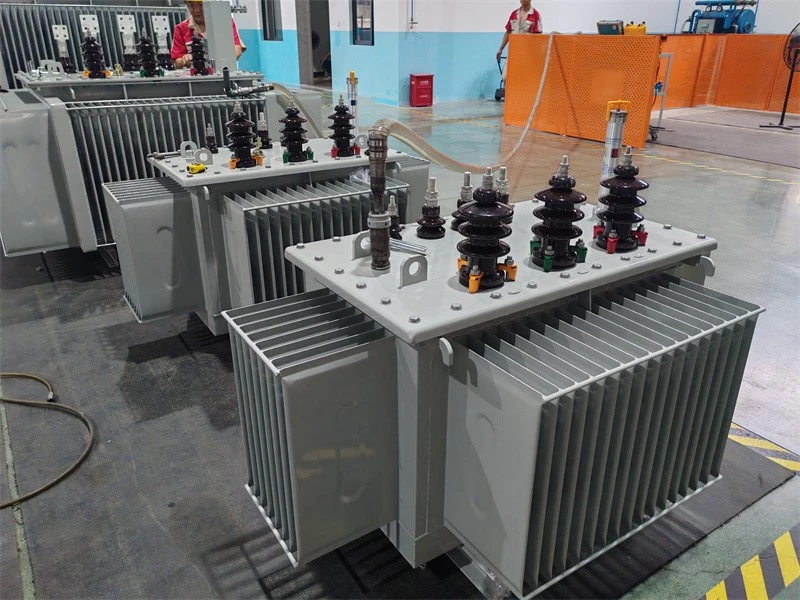
8-Vacuum oil filling of transformer
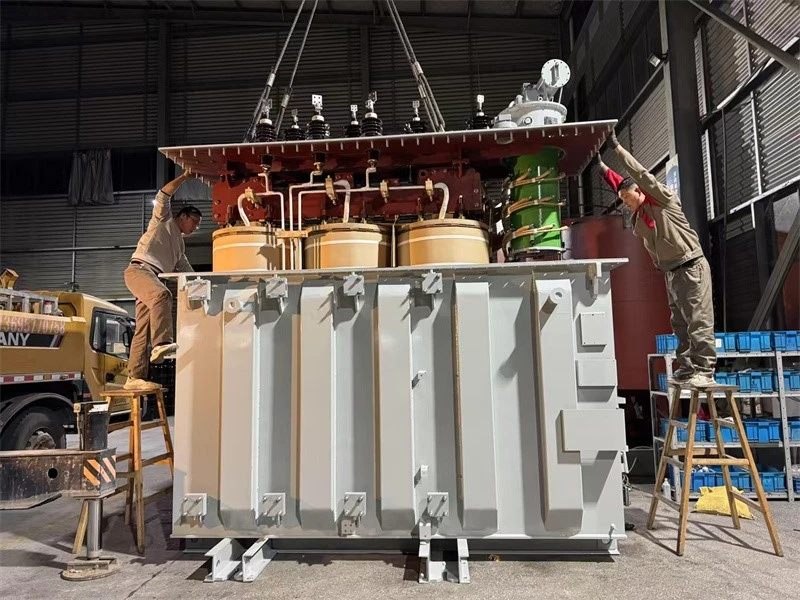
9-Tank sealing of transformer
Testing of Transformer
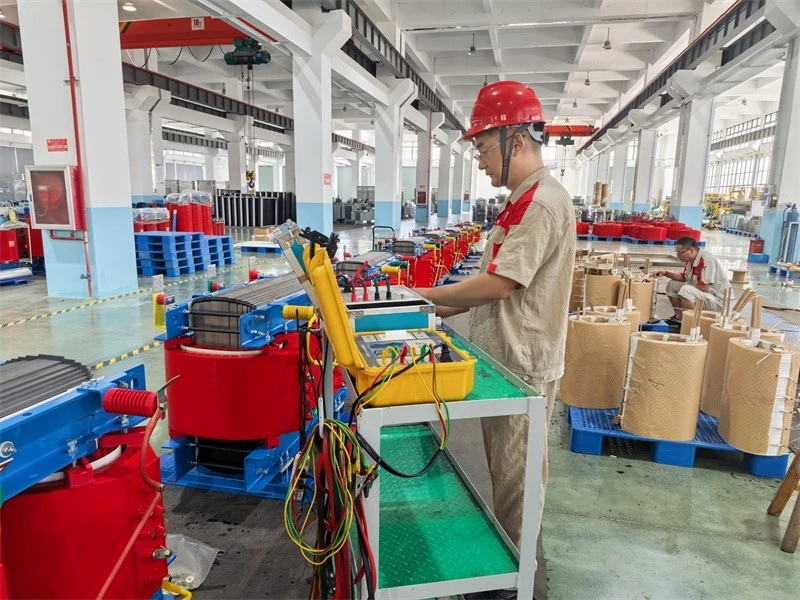
1-Measurement of winding resistance testing of transformer
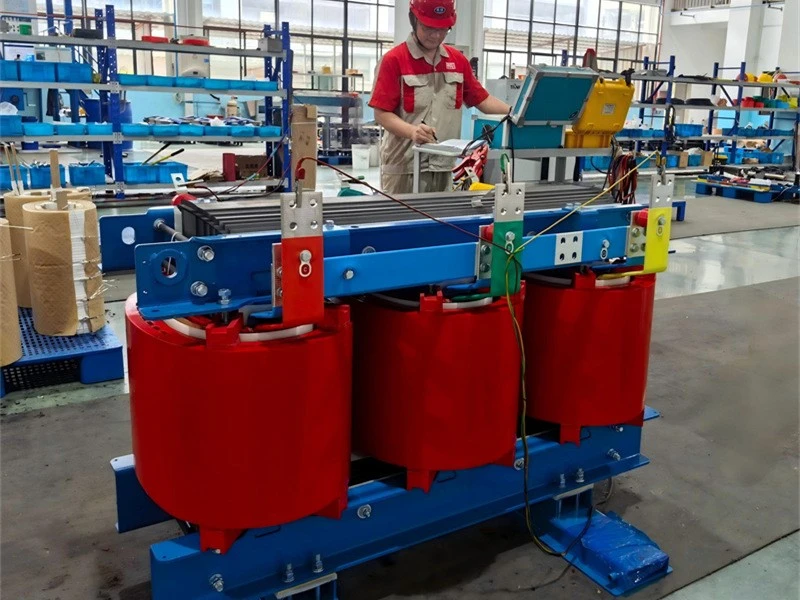
2-Measurement of voltage ratio and check of phase displacement testing of transformer
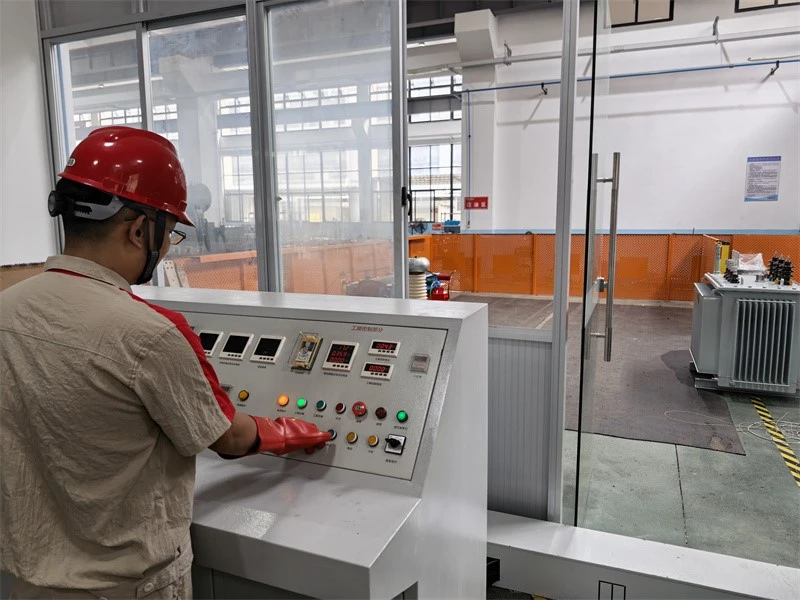
3-Separate‑source AC withstand voltage testing of transformer
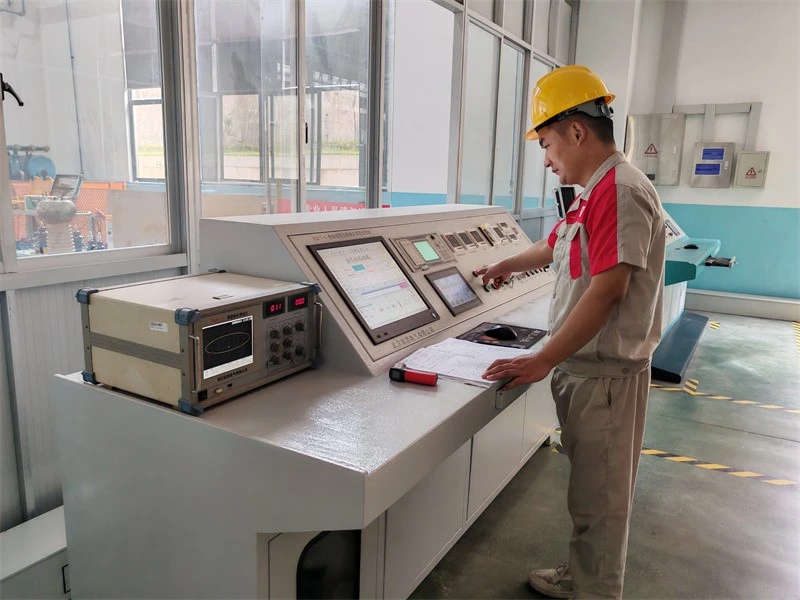
4-Measurement of no‑load loss and no‑load current of transformer
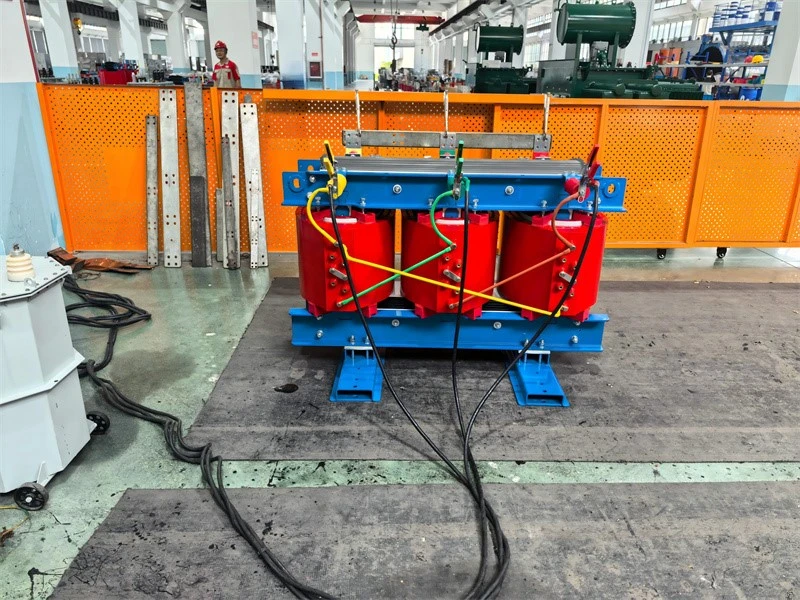
5-Measurement of short‑circuit impedance and load loss of transformer
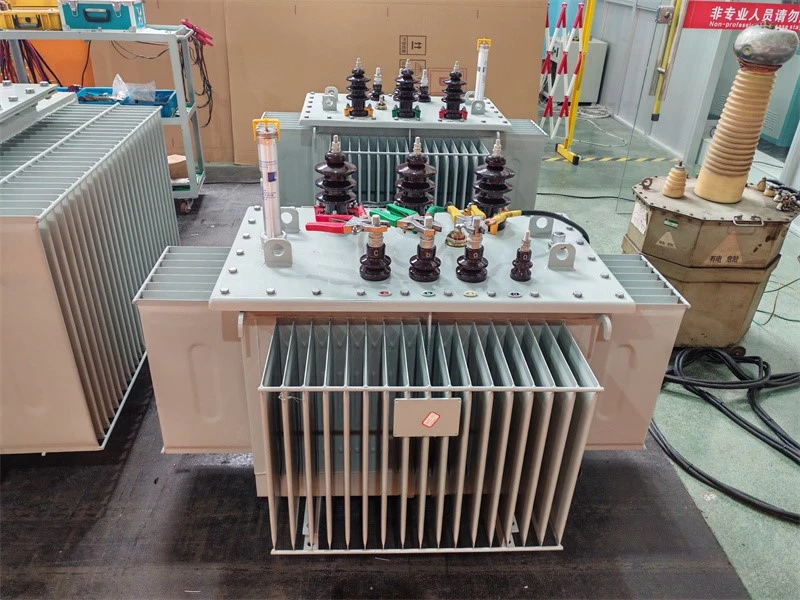
6-No load loss and no load current testing of transformer
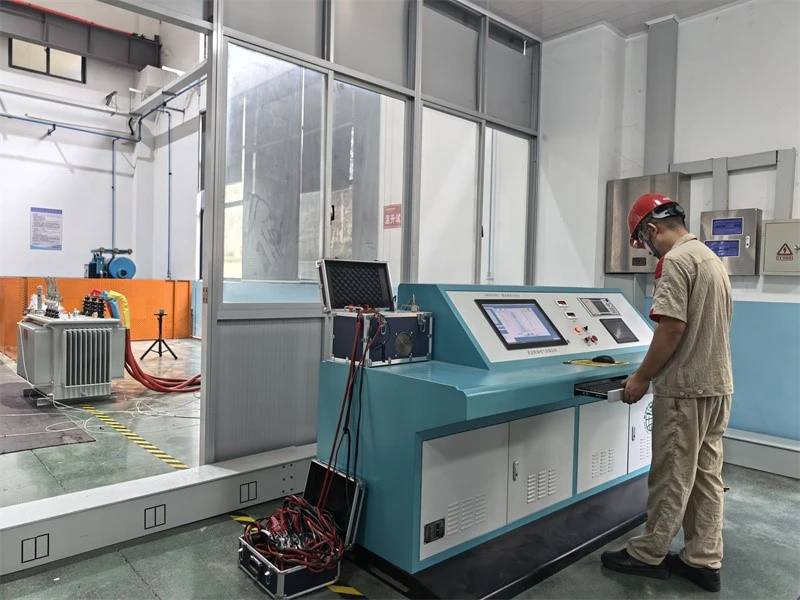
7-Temperature‑rise test of transformer
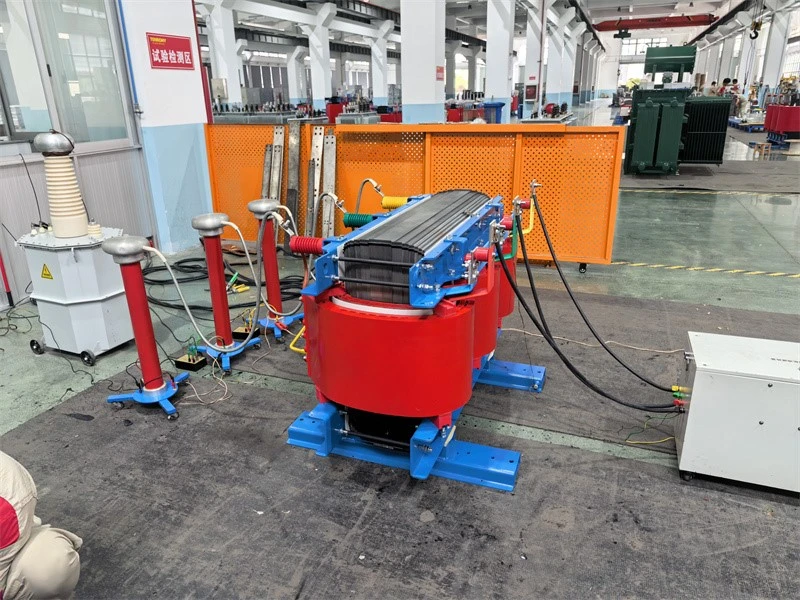
8-Partial‑discharge measurement of transformer
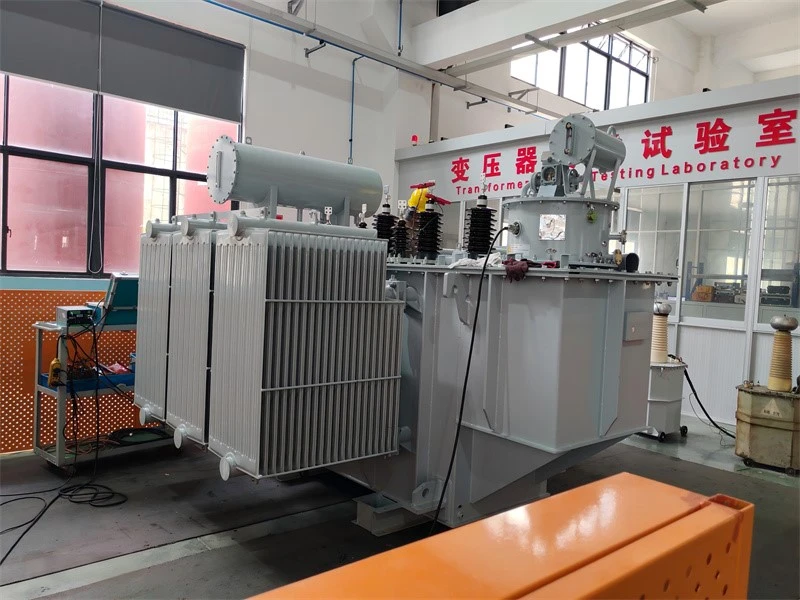
9-Winding ressitant and voltage ratio testing of transformer
FAQ
Q: What is the OLTC?
A: An on-load tap changer is a mechanism installed in power transformers that allows voltage regulation while the transformer remains energized and supplying load, without any interruption to power supply. Its primary role is to maintain a stable output voltage despite variations in input voltage or load conditions.
Q: What is the SVR?
A: SVR (Feeder Automatic Voltage Regulator)is an oil-immersed on-load tap-changing transformer series-installed in 6/10/35kV distribution feeders. It continuously tracks line voltage and automatically adjusts the on-load tap-changer position to regulate the transformation ratio, stabilizing the output voltage within the qualified range without supply interruption.
Primarily used for voltage-drop compensation at the mid-to-rear section of radial feeders and voltage stabilization at substation outgoing sides, widely applied in urban/rural grids, oilfields, mines, chemicals, and railway tunnels for long-distance, heavy-load distribution.
Q: What is the BSVR?
A: BSVR (Bidirectional Feeder Automatic Voltage Regulator) is a derivative of the SVR - an oil-immersed on-load tap-changing transformer series-installed in 6/10/35kV distribution feeders. It continuously tracks line voltage and automatically adjusts the on-load tap-changer position to regulate the transformation ratio, stabilizing output voltage without supply interruption.
Unlike the conventional SVR, the BSVR incorporates automatic power-flow direction detection, handling both forward (substation-to-load) and reverse (renewable-to-grid) flows to suppress terminal over-voltage caused by integrated PV, wind, or small-hydro generation. Applied to bidirectional voltage management of renewable-integrated radial feeders and substation outgoing sides.
Q: What is the relationship between them?
A: OLTC (On-Load Tap Changer): core component switching winding taps under load, shared by both SVR and BSVR.
SVR (Feeder Automatic Voltage Regulator): oil-immersed regulating transformer for unidirectional feeders.
BSVR: SVR's derivative with bidirectional flow detection.
Summary - OLTC = shared core, SVR = base product, BSVR = bidirectional variant.
Hot Tags: bidirectional automatic coupling voltage regulator, China bidirectional automatic coupling voltage regulator manufacturers, suppliers, factory
You Might Also Like
Send Inquiry