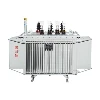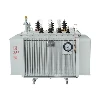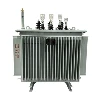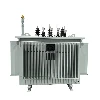

Power transformers classified by application: step-up (e.g., 6.3kV/10.5kV or 10.5kV/110kV at power plants), interconnecting (e.g., 220kV/110kV or 110kV/10.5kV between substations), and step-down (e.g., 35kV/0.4kV or 10.5kV/0.4kV for power distribution).
Power transformers classified by number of phases: single-phase and three-phase.
Power transformers classified by windings: dual-winding (primary and secondary windings wound separately and insulated from each other on the same core per phase), three-winding (three windings per phase, wound separately and insulated from each other), and autotransformer (a single set of windings with intermediate taps serving as primary or secondary outputs). For three-winding transformers, the capacity of the primary winding must be greater than or equal to the combined capacity of the secondary and tertiary windings. Common capacity percentage ratios (in the order of high, medium, and low voltage) include 100/100/100, 100/50/100, and 100/100/50; neither the secondary nor the tertiary winding is permitted to operate at full load. The tertiary winding typically has a lower voltage and is often used for local power supply, connecting compensation equipment, or linking three different voltage levels. Autotransformers: available in step-up or step-down configurations; due to their low losses, light weight, and cost-effectiveness, they are widely used in extra-high-voltage power grids. Common models of small autotransformers include 400V/36V (or 24V) units, used to power equipment such as safety lighting.
Power transformers classified by insulation medium: oil-immersed transformers (flame-retardant and non-flame-retardant types), dry-type transformers, and 110kV SF6 gas-insulated transformers.
Power transformer cores utilize a core-type structure.
The three-phase power transformers typically installed in telecommunications projects are dual-winding transformers.